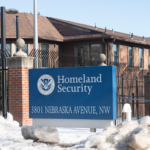
Homeland security is more than one agency, one uniform, or one type of work. It brings together border security, emergency management, cybersecurity, transportation protection, immigration services, law enforcement, disaster response, and public safety partnerships. Here’s how the mission began, what it includes, and why the people behind it deserve to be remembered.
What Is Homeland Security?
Homeland security is the work of protecting the United States from threats while helping the country prepare for, respond to, and recover from emergencies.
In everyday language, people often use “Homeland Security” to refer to the U.S. Department of Homeland Security (DHS). But the idea is broader than one department. Homeland security includes federal agencies, state and local law enforcement, emergency managers, fire departments, EMS teams, cybersecurity specialists, transportation security personnel, intelligence analysts, and private-sector partners who help protect critical infrastructure.
The Department of Homeland Security describes its mission as safeguarding the American people, the homeland, and American values. In practice, that mission can look like airport security, disaster response, criminal investigations, cybersecurity support, immigration services, port security, or coordination with local agencies during major events.
Homeland Security Challenge Coins
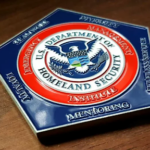

The History of Homeland Security: How, When, and Why DHS Was Created
The Department of Homeland Security was created after the September 11, 2001 terrorist attacks. Before DHS existed, many security, border, emergency, transportation, and intelligence-related responsibilities were spread across different parts of the federal government.
Congress passed the Homeland Security Act of 2002, creating DHS as a Cabinet-level department. The department officially opened on March 1, 2003. Its purpose was to bring together national homeland security efforts under one unified structure. DHS says the department was formed by combining all or part of 22 federal departments and agencies into one integrated Cabinet agency.
History explains why DHS includes such a wide variety of missions. It was built to connect many different types of work that all contribute to national security and public safety.
Some DHS components are highly visible to the public, like TSA officers at airports, FEMA teams after disasters, Customs and Border Protection officers at ports of entry, and Coast Guard crews on the water. Others work behind the scenes in areas like cybersecurity, intelligence, training, investigations, immigration services, logistics, and infrastructure protection.
Today, DHS describes its workforce as more than 260,000 employees working for America’s security.
HSI of Cocoa Beach & Orlando, Florida Coin


Most Known Tasks of Homeland Security
Homeland security covers many responsibilities, but most people recognize the mission through a few major areas.
One of the most visible is border and port security. This is the work connected to who and what enters the country. It supports national security, lawful travel, customs operations, and the flow of goods that move through official entry points every day.
Another familiar part of the mission is transportation security. TSA airport screening is the example most people know, but the larger goal is to help protect the systems people rely on to move safely and efficiently across the country.
Homeland security also plays a major role in emergency management and disaster response. FEMA is closely connected to this work, especially when communities are preparing for or recovering from major disasters. The mission is not only about showing up after an emergency. It also involves helping states, cities, and local agencies plan before something happens and rebuild afterward.
In recent years, cybersecurity and infrastructure protection have become an even bigger part of the conversation. Modern security encompasses the digital systems that underpin essential services, from public agencies to transportation networks and communication systems.
That wide range is what makes homeland security difficult to define in one sentence. Depending on the team and mission, the work may involve public safety, immigration services, investigations, maritime operations, emergency response, intelligence support, or coordinating among several agencies simultaneously.
HSI CBP Southwest Customs Revenue & Port Investigations Coin


Homeland Security Is Also Local
One of the most important things to understand is that homeland security is not only federal.
DHS describes homeland security as an enterprise that includes state, local, tribal, and territorial law enforcement partners, as well as international partners and other organizations. The department also works with state and local governments, the private sector, community organizations, academia, and other partners through outreach and engagement efforts.
That means homeland security can happen far from Washington, D.C. It can involve a local police department preparing for a large public event, a county emergency management office planning for storms, or a task force bringing several agencies together around one mission.
This local connection matters because many homeland security missions depend on coordination. No single agency can do everything alone. The work often happens across jurisdictions, departments, and specialties.
“Thank You for Your Service” Coin

Why the Mission Is Worth Remembering
Homeland security is a mission carried out by people in many different roles, working in different places toward a shared purpose.
Much of that work happens quietly, through planning, training, inspection, coordination, response, and recovery. That is why symbols matter. A badge, seal, patch, motto, or custom challenge coin can help a team remember the mission they carried and the people who served beside them.
If your team has a homeland security story to honor, Embleholics can help turn it into a custom design built with meaning.
Recent Posts