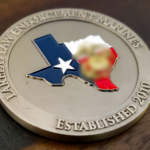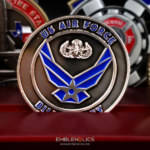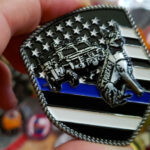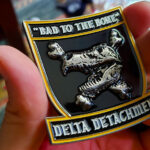
You know the coin should mean something. Perhaps it will preserve a unit tradition. Maybe it will mark an achievement or bring people back to a shared moment. The difficult part is turning that meaning into a design that works on metal.
A rough idea is enough to begin. Many custom challenge coins start with a logo, an old patch, or a rough sketch. Each stage makes that idea clearer until it becomes a coin people can carry with pride.
Here is how custom challenge coins are made, from the first conversation through delivery.
Step 1: Start With the Story Behind the Coin
A custom challenge coin starts with the reason it needs to exist. Before choosing a finish or edge style, decide what the coin should represent and why someone will receive it.
For a military unit, that purpose might be a deployment or change of command. Police and fire departments may represent a station or academy class. Businesses often create coins for employee recognition or major events.
Once the purpose is clear, gather the details that connect the coin to that story. Provide the organization name and official emblem. Add a motto, date, or location when it contributes meaning. Check names, ranks, unit numbers, and insignia early. Accuracy matters when the coin represents military service or first responders.
Step 2: Share What You Have, Even If It Is Rough
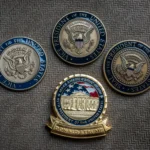
Some customers begin with a clean vector logo. Others begin with a patch. A badge or a photo of an old coin can provide direction as well. A hand-drawn sketch can communicate the basic arrangement, and a written description can explain what each element means.
Embleholics includes free professional artwork, so the first submission only needs to give the design team enough direction to understand the project.
When requesting a quote, also share the deadline and expected quantity. Embleholics currently has a 50-coin minimum, and knowing the schedule from the beginning helps the team recommend realistic options.
Step 3: Turn the Idea Into Professional Artwork
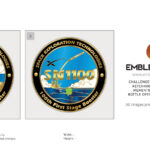
The designer translates the source material into custom challenge coin artwork. The front and back need to be balanced. Text must remain legible, and the most important symbol needs enough space to hold attention.
The designer also considers how the artwork will behave as a physical object. Fine lines may disappear at coin size. A detailed illustration may need stronger separation, while a long motto may need a simpler arrangement. Metal borders can establish the visual hierarchy. Color and depth can strengthen it without crowding the surface.
Every choice should support the story. If you are still deciding what belongs on the coin, reviewing common challenge coin design mistakes can help you spot when too much detail weakens the idea.
Step 4: Choose the Details That Shape the Final Coin
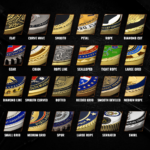
Once you’ve set the direction, consider how the coin should look and feel in hand. Size and shape determine the available design space. Plating may create a polished appearance or an antique character. Enamel adds color, while three-dimensional sculpting can give a portrait or landmark more depth.
An edge treatment can add character, while sequential numbering may make each coin feel personal. Cutouts and specialty effects can work when they belong to the concept. The design team can explain which challenge coin manufacturing options fit the artwork. You do not need to know production terminology beforehand.
Step 5: Review the Proof Carefully
Before production, the customer receives a digital proof. It shows how the front and back work together and gives you a final opportunity to confirm the design.
Check every word and number. Confirm names, ranks, dates, and unit designations. Make sure the correct insignia and logo versions appear, then review the colors and small lettering. If several people are involved, identify one final decision-maker.
The proof is where a good coin becomes the right coin. Careful review protects details that may carry personal or historical significance.
Step 6: Approve Revisions Before Production Begins
Revisions are a normal part of the challenge coin design process. You may realize the motto needs more emphasis or the emblem should be replaced with an official version.
Specific feedback helps the designer make the right change. Instead of asking for a “more dynamic” design, explain that the aircraft should sit higher or the central symbol needs to be larger. Embleholics includes unlimited design revisions before production begins.
Approval is the dividing line between design and production. Make any necessary changes before giving it, because adjustments become more difficult once manufacturing is underway.
Step 7: Production Turns the Artwork Into a Physical Coin
After approval, the final design guides production. The metalwork establishes the shape and creates raised or recessed details. Plating provides the base appearance, while enamel and other finishes add color or texture.
Production gives the design physical weight and dimension. The approved artwork guides how every element appears on the finished piece.
Manufacturing methods vary by design. A simple two-dimensional coin has different requirements from a custom-shaped piece with sculpted relief. Specialty features may also affect timing.

Step 8: Quality Checks Protect the Details
Once the coins are produced, the team checks them against the approved design. The team reviews the finish, color, readability, and physical detail before the order leaves production.
The smallest elements may carry the greatest meaning. A date can identify a deployment, while an insignia may represent years of service. Checking the finished coin helps protect the choices approved during proofing.
Step 9: Shipping and Delivery
We package and ship completed coins to the customer. Embleholics includes free shipping within the continental United States.
Most orders are completed within 45 to 50 days after artwork approval. Quantity and design complexity affect the exact schedule. Specialty features and the destination can also add time. Rush production may be available, but we should discuss it before quoting the order.
The fastest way to keep a project moving is to send clear information early and review the proof promptly. If you need the coins for a fixed event, share that deadline in the first conversation.
What Can Slow Down a Custom Challenge Coin Order?
Several avoidable issues can add time to the process:
- No clear decision-maker for the final design
- Missing or low-quality logo and reference files
- Unconfirmed names, ranks, dates, insignia, or wording
- Too many elements competing for limited space
- Delayed proof feedback or approval
- New requests after the artwork has been approved
- Unusual shapes, finishes, or requirements that need additional planning
- A rush deadline that was not discussed before quoting
A short internal review before submitting the project can prevent many of these delays. Confirm the essential details and decide who can approve the design. Make sure the deadline is realistic before you start the artwork.
What to Send When You Request a Quote
You can start the conversation with:
- Your organization name and the reason for the coin
- The approximate quantity and required delivery date
- The wording planned for the front and back
- A logo, patch, badge, sketch, or reference image
- Any required symbols, colors, finishes, or other details
- The shipping destination and final decision-maker
If some answers are uncertain, explain what you know. The design team can help you choose suitable features without expecting a complete production plan.
The Best Coins Are Built Around Meaning
Challenge coins can mark service or membership. They may also preserve an achievement or memory. Their weight comes from the story they carry and from the care taken to represent it accurately.
That is why the process begins with meaning and returns to it at every stage.
If you have an idea for a coin, you do not need to have every detail solved. Explore the Embleholics gallery for inspiration, then request a free quote and send what you have. Trusted by thousands nationwide, the veteran-owned Embleholics team will help turn your story into a coin people will be proud to carry.
Recent Posts