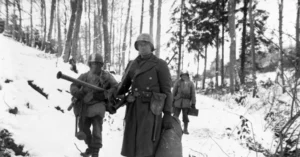
The winter of 1944 wrapped Europe in a cold grip, like a clenched fist. The Ardennes—thick with frost and unyielding—became the setting for the largest battle involving U.S. forces in World War II. What started as a surprise German offensive quickly turned into a grueling test of endurance, leadership, and determination that would shape the war’s future.
Snow blanketed soldiers who had been engaged in combat for months, often without a moment’s rest. Many were just kids, fresh out of high school, worn down by the relentless advance through France and Belgium. They had hoped that winter would bring a lull in the fighting. Instead, they faced a fierce assault aimed at splitting Allied lines, capturing crucial terrain, and forcing negotiations that would favor Hitler.
The calm before the storm was misleading. In the early hours of December 16, the foggy Ardennes erupted into chaos. Artillery roared from the German side, delivering the heaviest bombardment American troops had encountered since Normandy. Units from the 99th, 2nd, and 106th Infantry Divisions—stretched thin along a long front—took the brunt of the initial attack. It came swiftly, with armored units pushing hard, aiming to shatter morale as much as to breach defenses.
Yet, the line held firm. In the biting cold that numbed fingers around rifle triggers, soldiers fought from foxholes packed with ice and snow. The harsh landscape, stark in its silence, became a battleground where discipline and resilience outweighed comfort or certainty. Many didn’t grasp the full scale of the assault until hours or even days later. All they knew was that they had to hold their ground.
The Last German Offensive… Failed
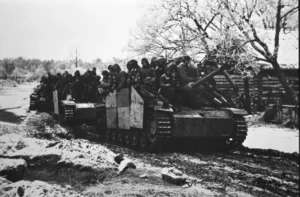
The offensive’s core strategy was obvious: sever the Allied line, advance on Antwerp, and force a political solution before Germany’s industrial and military problems became impossible to overcome. More than 200,000 soldiers, tanks hidden in snow-laden woodlands, and artillery prepared to blast through American defenses were gathered by the Wehrmacht. Their intent echoed the shock of Germany’s 1940 campaigns.
But several problems impeded the offensive almost from the beginning.
Terrain and weather
The Ardennes could hide movement, but it also slowed it. Narrow roads, steep slopes, and heavy snow made it difficult for German armor to maintain momentum. Vehicles bogged down, fuel shortages worsened, and surprise advantages faded as American resistance stiffened.
Operational limits
Germany no longer had the production strength of earlier years. Tanks could be built, but fuel was scarce. Even in areas where breakthroughs occurred, armored spearheads often halted not because of enemy fire but because their tanks ran dry. The offensive depended on capturing Allied fuel depots, and most were destroyed or relocated before German troops could reach them.
American resilience
Initial surprise did not translate into collapse. Units cut off or encircled continued fighting, slowing the German advance enough to allow reinforcements to arrive. The defenders understood what was at stake. Bastogne, held by the 101st Airborne Division and elements of the 10th Armored Division, became a symbol of refusal. Surrounded, short on supplies, frozen, and exhausted, they denied German attempts to force surrender.
The answer sent back to the German demand—short, direct, and unshaken—captured the spirit of the entire front: “NUTS.”
It was more than defiance. It was a statement from soldiers worn by hardship but unwilling to yield an inch without a fight.
The Arrival of Reinforcements
Units from across the theater shifted rapidly despite icy roads and strained logistics. The III and VIII Corps counterattacked. The 2nd and 9th Armored Divisions bolstered key sectors. General George S. Patton redirected the Third Army with remarkable speed, swinging north in maneuver conditions that many believed impossible during winter.
These actions closed the gaps created by the initial assault. German spearheads lost direction and strength. Air support, grounded early by fog, returned once the weather cleared, pushing enemy troops back across territory they had briefly taken.
By January, the offensive no longer held operational value. What remained were pockets of resistance and a retreat that cost Germany men and materiel it could not replace.
The Battle of the Bulge marked the beginning of the final collapse of German capability on the Western Front.
How American Grit Changed the War Despite the Intense Cold
The cold hindered everything—from how soldiers moved, to how they made decisions, even making weapons less reliable and crushing morale. Commanders in the Ardennes made critical choices while enduring conditions that ruthlessly punished anyone who hesitated. Command posts, frequently dug in haste, were cut into frozen ground. Communication systems constantly failed beneath the heavy snow and damaged lines. Resupply was hardly ever guaranteed.
Still, leadership at every level—officers, NCOs, and soldiers operating in small isolated groups—shouldered the difficult task of maintaining order.
Small-unit leadership
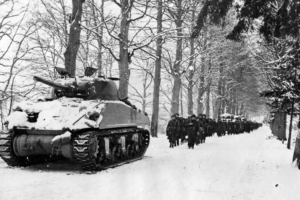
Squads and platoons often fought independently, separated by forests or cut off by enemy penetration. Junior leaders made decisions normally reserved for higher ranks: when to withdraw, when to counterattack, when to hold and absorb pressure. Many acted on minimal information, driven not by perfect plans but by commitment to the men next to them.
Maintaining discipline in chaos
Blizzards buried tracks and landmarks. Artillery shook trees heavy with snow, showering foxholes and blinding soldiers as they reloaded. Even then, fire discipline remained high. Machine gun crews rotated to prevent frostbite. Artillery observation posts operated despite being exposed on ridgelines. Medics moved between positions under constant threat, navigating icy slopes while carrying litters through deep snow.
Adaptation under pressure
Units short on winter gear improvised. Blankets became makeshift insulation. Scarves sewn from sandbags protected faces from wind strong enough to cut through standard-issue coats. Some soldiers used tree branches to reinforce foxhole roofs against shrapnel and falling ice.
The psychological weight
Cold can erode confidence faster than enemy fire. Leaders noticed subtle signs—slowed reactions, shaking hands, a quietness that hinted at fatigue beyond the physical. They kept their soldiers moving when possible, rotated positions, and shared rations fairly. A warm drink in a helmet cup, a fire lit only long enough to heat food, or a quick word of direction became moments that restored focus.
A Legacy Carried Forward
The Battle of the Bulge remains a critical moment in American ground combat history. Soldiers enduring freezing temperatures, artillery that devastated forests, and an enemy intent on altering the war’s trajectory were given no guarantees. Instead, they relied on training, leadership, and confidence in the people beside them.
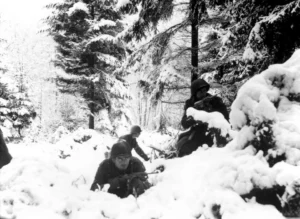
That grit left a lasting impact. It shaped how units remembered their past and how the Army recognized those who endured brutal conditions and still completed their missions. Modern military formations remain connected to regiments that carried the burden of those campaigns, with battle honors and campaign streamers preserving the memory of service in Belgium’s frozen hills.
One of those formations—the 48th Infantry Regiment—carries a legacy tied to the struggle in Europe. The regiment’s lineage includes service in World War II, where soldiers faced difficult terrain, severe weather, and an enemy strategy built around breaking American resolve. Their history reflects many of the same principles that kept Allied lines intact during the Bulge: discipline, steadiness under pressure, and commitment to mission.
Today, those values continue to define the regiment. Units honoring their heritage often look for ways to preserve their history in symbols that soldiers can carry, display, and pass forward.
The 48th Infantry Regiment Challenge Coin: Legacy Turned Into Art
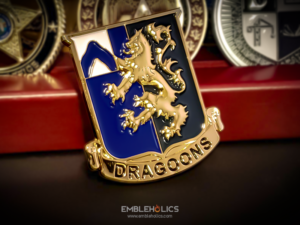
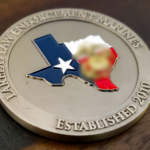
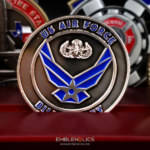
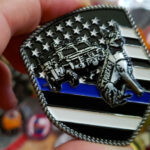
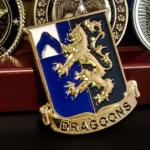
The 48th Infantry Regiment Challenge Coin, created through Embleholics, reflects that lineage through its design. The colors, insignia, and symbolism are not simply decoration; they connect the modern regiment to the soldiers who served before them and to the campaigns that shaped the unit’s reputation.
Coins like this serve a purpose beyond recognition. They preserve stories. They pass down lessons. They connect a modern soldier not just to a regiment, but to the individuals who stood in snow-filled forests decades earlier, believing that their efforts mattered—and proving they did.
Projects like this are part of the broader tradition of custom Army challenge coins created to commemorate unit history, deployments, campaigns, retirements, anniversaries, awards, and other meaningful moments in military service.
If You Have a Story Worth Preserving
Every regiment, platoon, ship, squadron, and agency has moments that shaped its identity. Some are well known. Others live quietly among the people who experienced them. If your unit, team, or organization has a story worth remembering, we can help turn it into a piece that reflects its significance.
Recent Posts