Every Scout tradition has a first time. An annual campfire, a special service day, or a recognition presented to an outgoing youth leader began because someone decided a meaningful moment was worth repeating.
The best traditions give Scouts something to anticipate, remember, and eventually pass on. They connect current members with the people who came before them while helping a troop, camp, or council develop an identity of its own.
Every Tradition Begins With One Meaningful Idea
Scout traditions are the ceremonies, customs, and shared experiences that define a troop’s identity. From campfire programs and patrol competitions to Eagle Scout recognitions and annual service projects, these traditions help Scouts build leadership, friendships, and memories that last long after their Scouting years.
A tradition needs a clear purpose and a group willing to carry it forward.
It might begin during a summer camp that challenged the troop in unexpected ways. Perhaps a major service project becomes an annual commitment to the community. A troop may decide to recognize an adult volunteer whose work usually happens behind the scenes. Camp staff might create a ritual that marks the end of each season.
Over time, older Scouts begin explaining the tradition to new members. Former participants return and ask whether the troop still continues it. What started as one ceremony or commemorative piece becomes part of what it means to belong to that group.

Scouts from Boy Scout Pack 77 salute the American flag during a Memorial Day ceremony at Joushua Tree Memorial Park May 28, 2012. (Official USMC photo by Lance Cpl. Lauren A. Kurkimilis)
Start With a Moment Worth Repeating
Think about a moment or event that strengthened the relationships among members, changed the way they saw themselves or one another, or became a shared experience that left a lasting mark on your troop’s story.
It could be:
- Completing an annual service project
- Attending summer camp or a high-adventure expedition
- Celebrating a troop or council anniversary
- Welcoming new members or recognizing graduating Scouts
- Thanking Scoutmasters and longtime volunteers
Don’t worry if the event itself feels ordinary. What matters is not the event alone, but the experience behind it. Two troops may attend the same camp and return with completely different stories. One may remember a difficult hike, while another remembers how older Scouts helped younger members through their first week away from home.
Those experiences are what turn an event into something meaningful and, perhaps, into something worth repeating. Over time, that shared experience can become a tradition that future generations continue, helping preserve the sense of connection that first made it matter.
The Story Behind the Tradition
Think about the story that will be told for generations to come. It is not enough to identify a memorable moment; you also need to decide whether that moment can become a meaningful story.
Members should understand why the tradition began, who participates, what someone must do to receive the recognition, and what its symbols mean. The story is what gives both the tradition and its commemorative symbols their value.
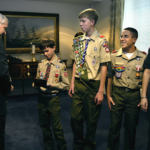
Defense Secretary Robert M. Gates meets with the Boy Scouts of America as they present him a copy of their "Report to the Nation" at the Pentagon, Feb. 26, 2007. Defense Dept. photo by Cherie A. Thurlby
Choose a Symbol That Fits the Tradition
Once the story is clear, you can begin identifying the images, words, places, and details that represent it. These elements become the visual language of the tradition and help turn the experience into something members can recognize and explain.
A troop might use a local mountain, river, animal, or historic landmark in its design. A camp tradition could include the year it began and a phrase understood by staff members. An annual service recognition might feature imagery connected to the community or project.
Part of the design’s value may come from the fact that only members understand its full meaning and know the complete story behind it.
Which Commemorative Item Fits Your Tradition?
Once you have chosen the moment, the story, and the symbols, you need to decide which item is best suited to that tradition. Here are some ideas that go beyond traditional badges and patches.
Challenge Coins for Shared Achievements
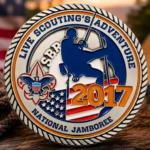
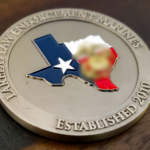
A custom challenge coin works well for a formal presentation, annual event, leadership transition, or experience shared by a defined group.
A troop could keep one side of the coin consistent each year while changing the reverse to feature a new date, location, service project, or camp theme. Scouts who participate over multiple years would gradually build a physical record of their involvement.
Coins can also include separate front and back designs, custom shapes, enamel colors, textures, edge details, and raised or recessed artwork.
Belt Buckles for Wearable Traditions
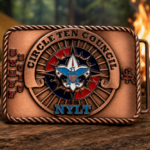
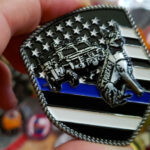
A custom belt buckle creates a more visible symbol of identity. It may be especially appropriate for camp staff, adult leaders, alumni groups, special programs, or Scouts who complete a distinctive experience.
Because it is worn rather than simply displayed, a buckle can become closely associated with the people who have earned it. It can also help a tradition become recognizable within a camp or council.
Embleholics can create belt buckles in custom shapes and develop artwork from an existing concept or from scratch.
Lapel Pins for Recognition and Participation
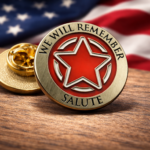
Custom lapel pins are well-suited to large events, volunteer recognition, anniversaries, fundraising programs, or traditions with varying levels of participation.
A pin might be presented to everyone who completes an annual service day, given to volunteer leaders at a recognition dinner, or created as part of a continuing anniversary series. Its smaller size also makes it practical when a troop or council wants to recognize a larger group.
Design the First Year With the Future in Mind
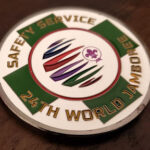
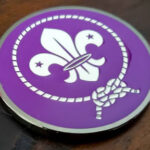
After deciding which commemorative item best suits your tradition, keep in mind that a tradition is easier to continue when its structure is established from the beginning.
Decide who will receive the item and whether it will be earned, presented, traded, purchased, or passed from one person to another. Document what the design means so future leaders do not have to recreate its story from memory.
Remember that the story is central to the tradition. Think about how future Scouts will retell it and how they will understand the commemorative item as an emblem of that story.
The design should also leave room to evolve. A troop might maintain the same central emblem while changing the date, metal finish, enamel color, or reverse artwork each year. Different finishes could represent years of service, leadership roles, or levels of participation.
Planning for future editions can turn a one-time order into a recognizable series that Scouts look forward to receiving.
Embleholics provides free artwork and revisions, helping organizations refine their concept, select materials and finishes, and approve the design before production begins.
Let the Next Generation Carry It Forward
A tradition becomes part of a group when its original creators are no longer the only people responsible for it.
Eventually, younger Scouts may organize the ceremony, explain the design, select the next annual theme, or present the recognition to someone else. That transition is what allows the tradition to outlast any one leader or generation.
Years later, a Scout may look at an old coin, buckle, or pin and remember more than the event printed on it. They may remember the experience, the story, the symbols, or the moment they were entrusted with the responsibility of carrying the tradition forward.
Your troop, camp, or council does not need a century-old ritual to begin a lasting tradition. It only needs a moment worth repeating and a thoughtful symbol that can carry its story forward.
Start your tradition with a custom Scout challenge coin, belt buckle, or lapel pin from Embleholics. Request a quote and begin turning your idea into a design.
Recent Posts